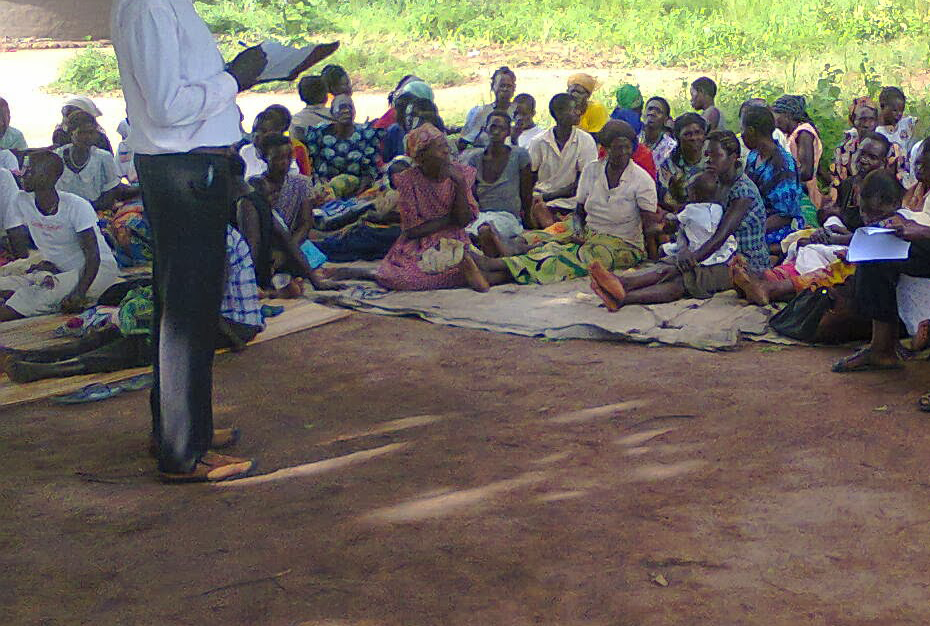
Community Sensitization
In 2017, an estimated 1.3 million people were living with HIV, and an estimated 26,000 Ugandans died of AIDS-related illnesses. The epidemic is firmly established in the general population. As of 2017, the estimated HIV prevalence among adults (aged 15 to 49) stood at 5.9%. Women are disproportionately affected, with 8.8% of adult women living with HIV compared to 4.3% of men. Other groups particularly affected by HIV in Uganda are sex workers, young girls and adolescent women, men who have sex with men, people who inject drugs and people from Uganda’s transient fishing communities.
There has been a gradual increase in the number of people living with HIV accessing treatment. In 2013, Uganda reached a tipping point whereby the number of new infections per year was less than the number of people beginning to receive antiretroviral treatment.
However, as of 2016 around 33% of adults living with HIV and 53% of children living with HIV were still not on treatment. Persistent disparities remain around who is accessing treatment and many people living with HIV experience stigma and discrimination. HIV prevalence is almost four times higher among young women aged 15 to 24 than young men of the same age.
The issues faced by this demographic include gender-based violence (including sexual abuse) and a lack of access to education, health services, social protection and information about how they cope with these inequities and injustices. Indeed, young Ugandan women who have experienced intimate partner violence are 50% more likely to have acquired HIV than women who had not experienced violence.
The lack of sexual education is telling. In 2014, only 38.5% of young women and men aged 15-24 could correctly identify ways of preventing the sexual transmission of HIV and rejected major misconceptions about HIV transmission.
According to USAid, Uganda AIDS Indicator Survey, HIV prevalence among Ugandan youth aged 15–19 is estimated at 2.4%, with much higher rates estimated among vulnerable youth living in the slums, for both HIV and sexually transmitted infections (STIs) (37.2%). High-risk behaviors such as engaging in commercial sex work in addition to other HIV-related risk behaviors such as multiple sexual partners, intermittent condom use, and concurrent substance use all increase the risk of acquiring and transmitting HIV. Additionally, sex work has been linked to numerous adverse health consequences.
HIV prevalence among those who engage in sex work is nearly 12 times higher than the general population. A study examining 16 countries in Sub-Saharan Africa reported a 37% HIV prevalence among females engaging in sex work. Clients of commercial sex may request unprotected sex and have reported paying more for this sex, further increasing the risk of HIV and other STI acquisition.
Sex workers have also reported experiencing violence from clients which may lead to an increased risk of HIV transmission. Among a sample of adult female sex workers in Kampala, Uganda, 82% reported being a victim of violence initiated by the client. Boys and men are also vulnerable to violence when engaging in sex work.
Additionally, the use of alcohol before or during sex has been linked to risk for violence in the general population as well as among sex workers. Sex workers who use substances such as alcohol also report higher instances of engaging in sex without a condom, further increasing risk of HIV transmission and acquisition.
The sturdy conducted by AIDS Research and Treatment Volume 2016, Article ID 5360180, http://dx.doi.org/10.1155/2016/5360180 in conjunction with Uganda Youth Development Link, P.O. Box 12659, Kampala, Uganda showed that, Among youth who had ever had sexual intercourse, the prevalence of sex work was 13.7%. The majority of youth engaged in sex work started engaging in sex work at ages 15-16 (47.5%), and the majority accepted money for sex work (97.5%). A large percentage of youth also were paid in alcohol for sex work (40.7%). In terms of condom use, 25.0% of youth reported that they or their clients always used a condom, 44.0% reported sometimes using condoms, 21.4% reported most of the time using condoms, and 9.5% reported never using condoms, Reasons for not using condoms included [when a client or
customer pays more (55.5%), when dealing with a regular customer (40.7%), or when a customer looks healthy (11.1%)]. HIV prevalence among sex workers was estimated at 37% in 2016. It is also estimated that sex workers and their clients accounted for 18% of new HIV infections in Uganda in 2016.
In 2015, Uganda introduced World Health Organization treatment guidelines, which state that all people testing positive for HIV should be enrolled on ART regardless of their CD4 count (which indicates the level of damage to the body’s immune system). However, in 2016 only 67% of adults and 47% of children eligible for access were enrolled on ART. Just under 60% of adults living with HIV on treatment are virally suppressed. Increasing this percentage is a key target for the HIV response, as people who remain virally suppressed are unable to pass HIV on to others. Ugandan men on treatment are less likely to be virally suppressed than their female counterparts, with viral suppression rates standing at 53.6% and 62.9%, respectively. Children (aged 0-14 years) fare the worst in this respect, with just 39.3% virally suppressed.
Staying on treatment is difficult for certain groups. In particular, young people aged 15–20 in Uganda are more likely to drop out of HIV care, both before and after starting antiretroviral treatment, than are those aged 10–14 years or those older than 20 years. Studies suggest that stigma, discrimination and disclosure issues, as well as travel and waiting times at clinics, are among the reasons.
Their fore the purpose of this project is to provide sex workers with free access to routine HIV/AIDs counseling and testing, creating awareness on prevention of HIV and STIs, to provide ART and treatment for STIS/ sexually transmitted infections, and free access to qualified health professionals in order to eliminate social stigma and discriminations among sex workers that has led to HIV prevalence and associated psychosocial correlates of commercial sex work among youth living and adults in the slums of Kampala-Uganda and fishing cites along lake Victoria.
 Videos
